
You Are Doing It All Wrong How To Make A Moist Thanksgiving Turkey
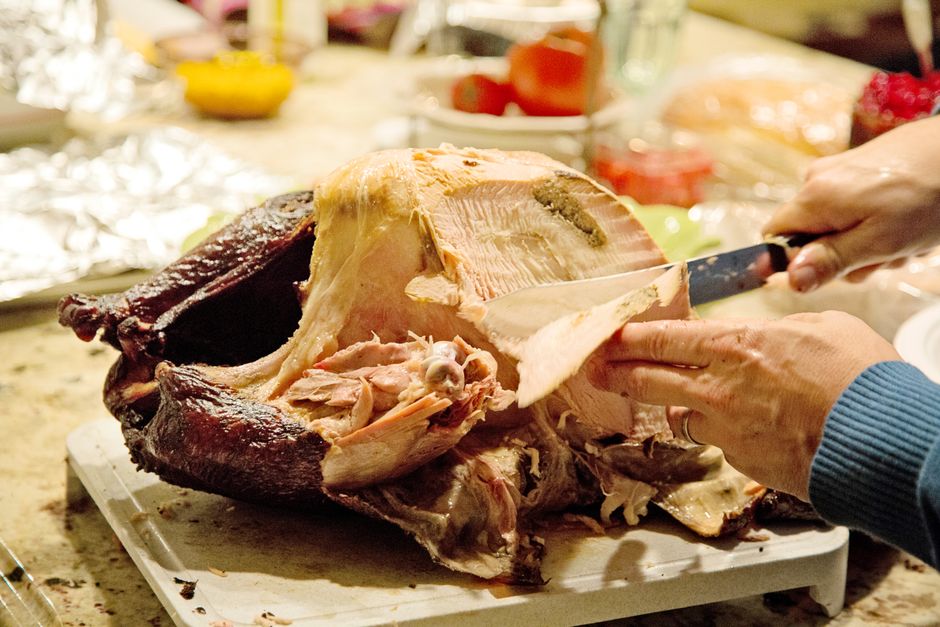
You’re Doing It All Wrong: The Definitive Guide to a Moist Thanksgiving Turkey
The Thanksgiving turkey, a centerpiece of culinary tradition, is notoriously difficult to master. Many home cooks approach this monumental task with trepidation, often resulting in a dry, stringy bird that disappoints more than it delights. The prevailing methods, passed down through generations, are often rooted in misunderstanding and lead to suboptimal outcomes. This article dismantles those common misconceptions and provides a scientifically-backed, actionable roadmap to achieving an incredibly moist and flavorful Thanksgiving turkey, every single time. Forget the elaborate brining methods that soak your bird in saline for days, or the constant basting that creates a greasy mess and disrupts oven temperature. We are going to focus on the core principles of heat transfer, moisture retention, and protein structure to deliver a turkey that redefines your holiday expectations.
The fundamental flaw in most turkey preparation lies in the uneven cooking of its disparate parts. The breast, being leaner and more exposed, cooks far faster than the dark meat, which contains more fat and connective tissue. This leads to overcooked breast meat and undercooked thighs, a culinary dichotomy that dooms moistness. The solution is not to sacrifice one for the other, but to manage their cooking times intelligently. This can be achieved through strategic techniques that ensure each part reaches its ideal internal temperature without compromising its neighbor. Furthermore, the illusion of moistness is often a consequence of surface treatments rather than intrinsic hydration. Glazes and drippings, while flavorful, cannot salvage dry flesh. True moistness originates from within the muscle fibers themselves, and preserving that inherent moisture is paramount.
One of the most significant contributors to a dry turkey is overcooking. The moment a turkey’s internal temperature exceeds its optimal range, the proteins begin to denature and expel their moisture. For turkey breast, this ideal temperature hovers around 160-165°F (71-74°C), while the thigh should reach 170-175°F (77-79°C). Many home cooks, fearing undercooked poultry, push their turkeys to 180°F (82°C) or even higher, effectively steaming the moisture out of the meat. This is a critical error. The carryover cooking, the residual heat that continues to cook the bird after it’s removed from the oven, is often underestimated. A thermometer is not a suggestion; it is a non-negotiable tool for achieving a perfectly cooked, moist turkey. Invest in a good instant-read digital thermometer and trust its readings.
While wet brining is often touted as the secret to moist turkey, it can paradoxically lead to a waterlogged bird with a bland flavor if not executed correctly. The excessive salt in wet brines can draw out some of the natural juices, and the water it introduces can dilute the turkey’s inherent flavor. Moreover, the extended time in the brine can lead to an undesirable mushy texture in the breast meat. A far more effective, and less labor-intensive, approach is dry brining. Dry brining involves liberally salting the turkey and letting it rest in the refrigerator, uncovered, for at least 24 hours, and ideally 48-72 hours. The salt penetrates the meat, breaking down muscle proteins and drawing out moisture initially, but then allowing that moisture to be reabsorbed, carrying the salt deeper into the bird. This process seasons the turkey from within, enhances its natural flavor, and importantly, creates a beautifully crisp skin. The uncovered resting period also dries out the skin, promoting superior crispness during roasting. This method requires minimal effort and yields superior results in terms of both flavor and moisture retention.
Another widely practiced but ultimately detrimental technique is excessive basting. The belief that frequent basting introduces moisture to the turkey is largely a myth. Each time the oven door is opened, the temperature plummets, prolonging the cooking time and leading to greater moisture loss. The fat from basting also tends to pool on the surface, obscuring the natural color of the skin and hindering its crisping potential. If you choose to baste, do so sparingly, perhaps only once or twice in the final hour of cooking, and focus on the breast meat. Better yet, consider a butter or herb butter rub under the skin of the breast. This introduces fat directly to the muscle, providing internal lubrication and flavor without the constant disruption of oven temperature or the greasy mess of traditional basting.
The resting period is arguably as crucial as the cooking itself for achieving a moist turkey. When a turkey is removed from the oven, the muscle fibers are contracted and holding onto their juices. Allowing the turkey to rest, loosely tented with foil, for at least 20-30 minutes (and up to an hour for larger birds) permits these fibers to relax and redistribute the juices throughout the meat. Cutting into the turkey too soon will result in a torrent of juices flowing onto the cutting board, leaving the meat dry and unappetizing. Think of it like a sponge; when heated, it expels water. When allowed to cool, it reabsorbs it. This simple step is fundamental to ensuring that the moisture remains within the turkey where it belongs.
To address the uneven cooking of the breast and dark meat, consider a technique known as spatchcocking, or butterflying, the turkey. This involves removing the backbone and flattening the bird. This allows the turkey to cook more evenly, as the breast and legs are on the same plane. The thighs and legs, which require longer cooking times, are now exposed to more direct heat, while the breast is less vulnerable to overcooking due to its proximity to the heat source. This method drastically reduces cooking time and guarantees a more uniformly cooked and moist bird. While the presentation is less traditional, the payoff in terms of moistness and even cooking is immense. For those who insist on a whole-roasted bird, consider placing it breast-side down for the initial portion of the cooking time. The fat from the back and thighs will baste the breast meat from below, infusing it with moisture and flavor. Flip it carefully for the final hour to brown the skin.
The quality of the turkey itself plays a role, but even the finest bird can be rendered dry by improper technique. Opt for a good quality, unfrozen or fully thawed turkey. Frozen turkeys can lose moisture during the thawing process. When selecting a turkey, consider heritage breeds or those labeled as “natural” or “organic,” which often have better fat distribution and flavor. Avoid “enhanced” or “basted” turkeys, as these have already been injected with solutions that can alter their texture and flavor profile, and can lead to a less desirable final product.
Seasoning is paramount, but it needs to be applied with an understanding of how it interacts with the meat during cooking. Beyond dry brining with salt, consider incorporating aromatics. Placing aromatics like onions, carrots, celery, lemons, and herbs (rosemary, thyme, sage) into the cavity of the turkey will infuse the interior with flavor as the bird cooks. However, do not overstuff the cavity, as this can impede air circulation and lead to uneven cooking. A looser stuffing allows heat to penetrate more effectively. When creating your dry brine, consider adding freshly cracked black pepper, garlic powder, and even a touch of smoked paprika for an added layer of flavor.
The temperature of your oven is also a critical factor. A common mistake is to roast a turkey at a consistently high temperature. While a hot oven is necessary for crisping the skin, maintaining that heat throughout the entire cooking process can lead to overcooked outer layers before the interior is done. A more controlled approach involves starting at a higher temperature (around 425°F/220°C) for the first 20-30 minutes to initiate skin browning and crisping, then reducing the temperature to a moderate 325°F (160°C) for the remainder of the cooking time. This allows the interior to cook gently and evenly, preserving moisture.
For an even more foolproof method, consider using a cooking bag. While some may scoff at the idea of a bag, modern oven bags are designed to create a steamy environment within the oven, effectively braising the turkey in its own juices. This method is incredibly effective at retaining moisture and significantly reduces cooking time. The skin may not be as crisp as with traditional roasting, but you can achieve crispiness by opening the bag for the last 30 minutes of cooking or by broiling the turkey briefly after it has rested. The benefits in terms of guaranteed moistness and reduced stress are substantial.
Finally, don’t be afraid to experiment with compound butters. A compound butter made with softened butter, finely chopped herbs (sage, rosemary, thyme), garlic, and a pinch of salt and pepper can be gently loosened and spread under the skin of the breast. As the turkey cooks, the butter melts and bastes the breast meat from the inside, contributing significantly to its moistness and flavor. This is a more targeted and effective way to ensure a juicy breast than constant external basting.
By understanding the science behind cooking and embracing these revised techniques – focusing on dry brining, managing cooking temperatures, respecting the resting period, and considering spatchcocking or cooking bags – you can banish the specter of the dry Thanksgiving turkey forever. The goal is not to complicate the process, but to simplify it by addressing the root causes of dryness and implementing strategies that actively promote moisture retention. This Thanksgiving, move beyond the traditional and embrace a method that guarantees a truly succulent and memorable bird.
