
Oh My This Windstorm Is Crazy
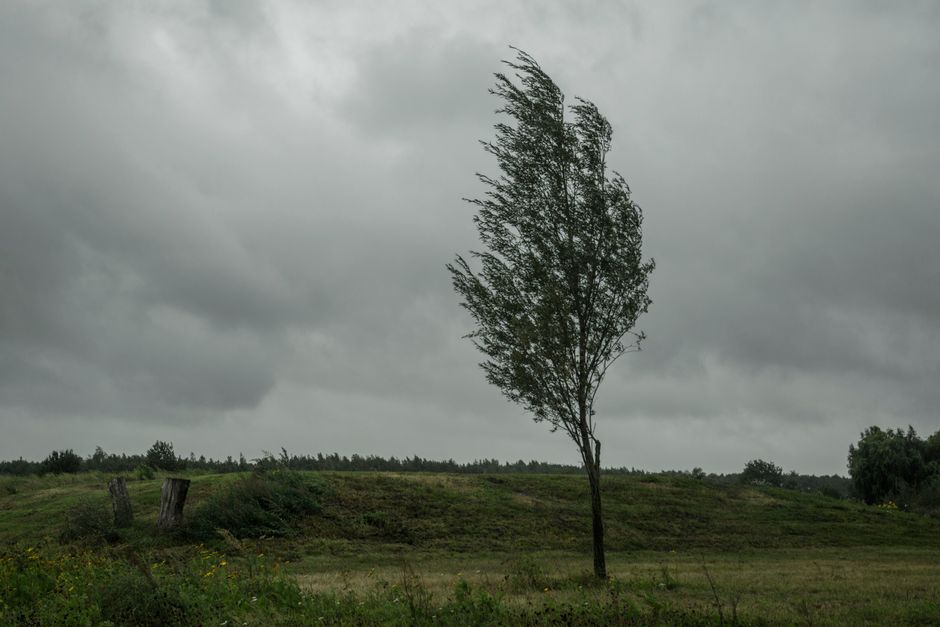
Oh My This Windstorm is Crazy: Navigating the Fury of Extreme Weather
The visceral exclamation, "Oh my, this windstorm is crazy!" encapsulates the sudden, overwhelming force of nature unleashed. This isn’t just a breezy afternoon; it’s a tempest, a chaotic ballet of wind and debris that transforms familiar landscapes into scenes of disarray. Windstorms, by definition, are periods of significantly elevated wind speeds, often exceeding those associated with typical weather patterns. Their intensity can range from gale-force gusts that rattle windows and sway trees to hurricane-force winds capable of inflicting widespread destruction. Understanding the causes, impacts, and necessary preparations for such events is paramount for safety and resilience. The exclamation itself is a universal human response to witnessing power beyond our immediate control, a testament to the raw energy of atmospheric dynamics. These events are not anomalies but rather escalating realities in a changing climate, demanding our attention and proactive measures.
The meteorological mechanisms driving these "crazy" windstorms are varied and complex, often involving the interaction of large-scale atmospheric systems. One primary driver is the passage of strong low-pressure systems, also known as extratropical cyclones. These systems are characterized by converging winds that rotate counterclockwise in the Northern Hemisphere and clockwise in the Southern Hemisphere. As air rushes towards the low-pressure center, it gains speed, creating strong winds that can extend far from the storm’s core. Frontal systems, particularly cold fronts, are also potent wind generators. As a dense, cold air mass advances, it displaces warmer air, leading to significant atmospheric instability and powerful gusts along the leading edge of the front.
Convection, the process of warm air rising and cool air sinking, plays a crucial role in generating localized but intense wind events. Thunderstorms, even those not developing into full-blown tornadoes, can produce powerful downdrafts and outflow boundaries that manifest as sudden, strong winds. These downdrafts, known as microbursts and macrobursts, can reach speeds comparable to or exceeding those of weak tornadoes, capable of causing localized but severe damage. The Great Plains region of the United States, for instance, is particularly prone to such events due to the confluence of warm, moist air from the Gulf of Mexico and cool, dry air from Canada, creating ideal conditions for severe thunderstorm development and associated wind hazards.
The geographical and topographical features of a region also significantly influence the intensity and impact of windstorms. Coastal areas are inherently more vulnerable to windstorms, especially those originating over the ocean, such as hurricanes and typhoons. The lack of friction over water allows winds to accelerate to higher speeds before making landfall. Inland, mountain ranges can channel winds, creating localized areas of extreme acceleration known as venturi effects. Conversely, sheltered valleys may experience less wind but can become traps for debris carried by stronger currents above. Urban environments, with their tall buildings and street canyons, can create unpredictable wind patterns, exacerbating wind speeds in certain locations and creating turbulence that poses a hazard to pedestrians and vehicles.
The impacts of these "crazy" windstorms extend far beyond mere inconvenience, often resulting in substantial economic, environmental, and social disruptions. Infrastructure is particularly vulnerable. Power lines, a ubiquitous feature of modern life, are often the first casualty, leading to widespread and prolonged power outages. Damaged or downed lines pose a significant electrocution risk. Trees, even mature and seemingly robust specimens, can be uprooted or have large branches snapped, causing damage to homes, vehicles, and public spaces. These falling trees are a major source of property damage and, tragically, can cause severe injuries or fatalities.
Transportation networks are also severely affected. Roads can be blocked by fallen trees, debris, and damaged signage. Airports may temporarily cease operations due to high winds and poor visibility, leading to flight cancellations and significant travel disruptions. Maritime transport is especially hazardous during severe windstorms, with vessels at risk of capsizing or colliding with debris. The economic consequences are far-reaching. Businesses can suffer significant losses due to damage, power outages, and the inability of employees to reach work. Insurance claims skyrocket, placing a burden on both policyholders and insurance companies. The cost of repairs and rebuilding can run into millions, or even billions, of dollars, impacting local and national economies.
Environmental impacts are also considerable. Uprooted trees can disrupt ecosystems, leading to soil erosion and habitat loss. Coastal areas can experience significant erosion and damage to natural barriers like sand dunes and wetlands. The debris generated by windstorms can pollute waterways and oceans, posing a threat to marine life. Social impacts include displacement of communities, psychological distress due to property loss and the trauma of experiencing a severe weather event, and increased demand for emergency services. The disruption to daily life, from schools closing to businesses shutting down, can create a ripple effect of hardship.
Preparation is not merely advisable; it is essential for mitigating the risks associated with severe windstorms. A proactive approach can significantly enhance safety and reduce the severity of impacts. For individuals and households, creating a comprehensive emergency plan is the cornerstone of preparedness. This plan should include designated safe locations within the home, such as interior rooms on the lowest floor away from windows. It should also outline communication strategies for family members, especially if they are separated during an event. A well-stocked emergency kit is non-negotiable. This kit should contain essentials for at least 72 hours, including non-perishable food, water, a first-aid kit, flashlights with extra batteries, a battery-powered or hand-crank radio to receive emergency broadcasts, medications, and important documents.
Securing outdoor items is a critical step. Lawn furniture, trampolines, garbage cans, and any loose objects can become dangerous projectiles in high winds. These items should be brought indoors or securely anchored. For homeowners, reinforcing windows and doors can offer an additional layer of protection. Storm shutters or plywood can be installed to prevent windows from shattering. Garages, often housing vehicles and valuable possessions, should also be secured. Regular maintenance of trees on one’s property is also crucial. Pruning overhanging branches and removing dead or diseased trees can significantly reduce the risk of them falling during a storm.
Beyond individual preparedness, community-level resilience is vital. Local authorities play a significant role in disseminating timely and accurate weather warnings. Understanding and heeding these warnings is paramount. Sirens, emergency alert systems, and local media broadcasts are all crucial channels for receiving critical information. Evacuation orders, when issued, should be followed without delay. Public shelters should be identified and accessible for those whose homes are not safe. Community emergency response teams (CERTs) can provide invaluable assistance in the aftermath of a storm, offering support for search and rescue, first aid, and damage assessment.
The economic and infrastructural resilience of a community is also a key factor. Investing in robust infrastructure, such as underground power lines in vulnerable areas and reinforced bridges, can make a significant difference in withstanding the forces of nature. Building codes should be rigorously enforced, particularly in areas prone to extreme weather. Encouraging the use of wind-resistant building materials and techniques can create structures that are better equipped to endure high winds. Furthermore, robust disaster recovery plans are essential for a swift and effective response to the aftermath of a windstorm, including provisions for debris removal, power restoration, and financial assistance to affected individuals and businesses.
The phenomenon of "crazy" windstorms is intrinsically linked to the broader issue of climate change. While windstorms have always been a natural part of Earth’s weather system, scientific consensus indicates that their frequency and intensity are increasing in many regions. Warmer ocean temperatures can fuel more powerful hurricanes, and altered atmospheric circulation patterns can lead to more frequent and intense extratropical cyclones. The increased moisture content in a warmer atmosphere also provides more energy for storm development, potentially leading to more destructive rainfall and wind events. Understanding this connection underscores the importance of not only preparing for immediate threats but also addressing the root causes of climate change. Mitigation efforts, such as reducing greenhouse gas emissions, are crucial for long-term adaptation and for reducing the likelihood of experiencing increasingly severe windstorms in the future.
In conclusion, the exclamation "Oh my, this windstorm is crazy!" serves as a potent reminder of the destructive power of extreme weather. From the complex meteorological processes that generate these events to their far-reaching impacts on infrastructure, economies, and communities, understanding and preparing for windstorms is an imperative. Individual preparedness, community resilience, and a global commitment to addressing climate change are all interconnected facets of navigating the fury of extreme wind. By taking proactive steps, we can not only survive these events but also build a more resilient future in the face of an increasingly unpredictable natural world. The scientific understanding of windstorms continues to evolve, offering better forecasting and early warning systems, but the fundamental need for human preparedness and adaptation remains constant. The sheer force witnessed during such an event compels a profound respect for nature’s power and a renewed commitment to safeguarding ourselves and our communities.
