
Ink Stains Stink Tricks To Get Them Out
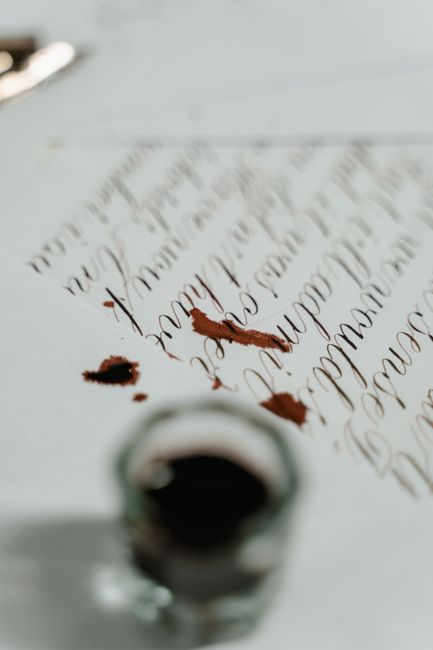
Ink Stains: Stink Tricks to Get Them Out
Ink stains are notoriously stubborn, a common household woe that can mar clothing, upholstery, and even surfaces. The vibrant dyes and pigments used in inks, whether from pens, markers, or printing, are designed for permanence, making their removal a challenge. Understanding the chemistry of ink and the properties of various cleaning agents is crucial for effectively tackling these unwelcome blemishes. This comprehensive guide delves into a range of "stink tricks" – potent methods and clever solutions – to banish ink stains, leaving your belongings pristine. The effectiveness of any stain removal technique often depends on the type of ink, the fabric or material it has stained, and the speed with which you address the issue. Prompt action is paramount, as older, set-in ink stains are significantly more difficult to eradicate.
Understanding Ink Types and Fabric Considerations:
Before launching into stain removal, it’s essential to identify the type of ink involved. Broadly, inks can be categorized into water-based, oil-based, and permanent markers. Water-based inks, often found in washable markers and some fountain pen inks, are generally the easiest to remove. Their pigments are suspended in water, allowing them to be diluted and washed away more readily. Oil-based inks, common in ballpoint pens and some printer inks, contain oil or solvent carriers that bind the pigments, making them more resistant to water-based cleaning solutions. Permanent markers, the most challenging of the three, utilize strong solvents and durable pigments designed to adhere firmly to surfaces.
Fabric also plays a critical role. Delicate fabrics like silk and wool require gentle handling and specialized cleaning agents to avoid damage. Natural fibers like cotton and linen are generally more robust but can still be susceptible to bleaching or fiber damage if aggressive chemicals are used. Synthetic fabrics, while often more stain-resistant, can sometimes be permanently altered by heat or certain solvents. Always test any stain removal solution on an inconspicuous area of the fabric first to ensure it doesn’t cause discoloration or damage.
The Power of Absorption and Blotting:
The first line of defense against any fresh ink stain is immediate blotting. Never rub an ink stain, as this will only spread the ink deeper into the fibers and potentially damage the material. Instead, use a clean white cloth, paper towel, or cotton ball and gently press down on the stain. The goal is to absorb as much of the excess ink as possible. For very fresh, wet ink, you might need to repeatedly swap out the blotting material as it becomes saturated. This initial step significantly reduces the amount of ink that needs to be chemically treated.
Water-Based Ink Stain Removal:
For water-based ink stains, the primary approach involves diluting and lifting the pigment.
-
Cold Water Flush: For a fresh water-based stain, immediately flush the affected area with cold water from the back of the fabric. This pushes the ink out of the fibers rather than driving it further in. Continue flushing until the water runs clear or the stain significantly lightens.
-
Dish Soap: A small amount of mild liquid dish soap can be surprisingly effective. Apply a drop or two directly to the stain and gently work it in with your fingers or a soft brush. Let it sit for a few minutes, then rinse thoroughly with cold water. Dish soap’s degreasing properties can help break down some ink components.
-
Rubbing Alcohol (Isopropyl Alcohol): Rubbing alcohol is an excellent solvent for many water-based inks. Dampen a clean white cloth or cotton ball with rubbing alcohol and blot the stain. Work from the outside of the stain inwards to prevent spreading. Continue blotting with fresh alcohol-soaked cloths until the ink is no longer transferring. Rinse thoroughly afterward.
-
Hair Spray (Alcohol-Based): Certain alcohol-based hairsprays can also act as a solvent. Spray the affected area, let it sit for a minute, and then blot with a clean cloth. Rinse thoroughly. It’s important to use an alcohol-based hairspray; otherwise, it may create a different type of stain.
-
Oxygen Bleach (Color-Safe Bleach): For colored fabrics that cannot tolerate chlorine bleach, an oxygen bleach solution can be a good option for water-based ink. Follow the product instructions for diluting the bleach and soaking the stained item. Ensure the bleach is color-safe for your fabric.
Oil-Based Ink Stain Removal:
Oil-based ink stains require solvents that can dissolve the oil or solvent carriers.
-
Rubbing Alcohol: As mentioned for water-based inks, rubbing alcohol is often effective for oil-based inks as well. The alcohol can help to break down the oily components of the ink. Follow the same blotting technique as described above.
-
Acetone (Nail Polish Remover): Pure acetone is a powerful solvent and can be effective for oil-based inks. However, it can also damage or dissolve certain synthetic fabrics like acetate, triacetate, and modacrylic. Always test acetone on an inconspicuous area first. Apply a small amount to a clean white cloth and blot the stain. Rinse thoroughly with cold water once the ink has lifted.
-
Glycerin: Glycerin can be used as a pre-treatment for oil-based ink stains. Warm a small amount of glycerin and apply it to the stain. Let it sit for at least 30 minutes, then gently work it in and blot. Rinse with warm water, and then follow up with a detergent solution.
-
WD-40: In some cases, WD-40 can effectively break down oil-based inks. Spray a small amount onto the stain, let it penetrate for a few minutes, then blot with a clean cloth. Immediately wash the garment with a strong detergent to remove any WD-40 residue. Caution: WD-40 can leave its own greasy stain, so prompt washing is essential.
-
Hairspray (Older Formulations): Older formulations of hairspray often contained more alcohol and could be more effective. Newer, water-based hairsprays are less likely to be helpful. Test a small area first.
Permanent Marker Stain Removal:
Permanent marker stains are the most formidable. They are designed to be permanent, requiring aggressive treatments.
-
Rubbing Alcohol: This is often the first and most effective solution for permanent marker. Apply liberally to a clean cloth and blot the stain repeatedly. Be patient, as this can take a considerable amount of effort and multiple applications.
-
Hand Sanitizer: Most hand sanitizers contain a high percentage of alcohol, making them a convenient alternative to rubbing alcohol when you’re on the go. Apply to the stain and blot.
-
Acetone: As with oil-based inks, acetone can be very effective for permanent marker. Exercise extreme caution and test on an inconspicuous area first due to its potential to damage certain fabrics.
-
Magic Eraser (Melamine Foam): For non-porous surfaces like walls or countertops, a Magic Eraser can be surprisingly effective at lifting permanent marker. Gently rub the stained area. Be aware that it works by abrading the surface, so use it with care to avoid damaging finishes.
-
Toothpaste (Non-Gel, Whitening): Some non-gel, whitening toothpastes contain mild abrasives that can help lift permanent marker ink from certain surfaces. Apply a small amount, gently rub with a soft brush or cloth, and then wipe clean.
-
Commercial Stain Removers for Ink: There are many commercial stain removers specifically formulated for ink. Read the product labels carefully and follow the instructions precisely. Some are designed for specific ink types or fabric materials.
General Stain Removal Principles and Techniques:
-
Work from the Outside In: Always blot or treat an ink stain from the outer edges towards the center. This prevents the stain from spreading and creating a larger, more difficult-to-remove mark.
-
Use White Cloths/Paper Towels: Always use white blotting materials. Colored cloths can transfer dye to the fabric you are trying to clean.
-
Patience is Key: Ink stain removal is rarely an instant process. It often requires repeated applications of cleaning solutions and diligent blotting. Don’t get discouraged if the stain doesn’t disappear immediately.
-
Rinse Thoroughly: After applying any cleaning agent, it is crucial to rinse the area thoroughly with clean water. Residual cleaning products can sometimes set stains or damage the fabric.
-
Avoid Heat: Never apply heat to an ink stain until you are certain it has been completely removed. Heat can permanently set many types of ink, making them impossible to remove. This includes machine drying or ironing.
-
Pre-Treat Before Washing: For washable items, always pre-treat ink stains before putting them in the washing machine. Washing without pre-treatment can spread the stain.
-
Professional Cleaning: For valuable garments or extremely stubborn stains, consider taking the item to a professional dry cleaner. They have access to specialized cleaning solutions and equipment.
Specific Fabric Considerations:
-
Delicates (Silk, Wool): Use the gentlest methods possible. Rubbing alcohol is often suitable, but test first. Avoid harsh chemicals or vigorous scrubbing. Consider professional cleaning.
-
Cotton and Linen: These are generally more forgiving. Cold water, mild detergents, and rubbing alcohol are good starting points. Oxygen bleach can be used on white cotton and linen.
-
Synthetics: Be cautious with solvents like acetone, which can damage or dissolve certain synthetic fibers. Test any solution thoroughly.
-
Upholstery and Carpets: Blotting is paramount. Use solutions sparingly and avoid oversaturation, which can damage the backing or padding. Test any solution on an inconspicuous area of the upholstery or carpet. For carpets, a wet-vacuum can be helpful for rinsing.
Natural and Household Remedies:
Beyond the more common solvents, a few household items can offer surprising results.
-
Milk: Soaking a stained fabric in milk overnight can sometimes help to lift ink stains, particularly older ones. The enzymes in milk can break down some ink components.
-
Salt: For fresh, wet ink stains, sprinkling a generous amount of salt over the stain can help to absorb some of the ink. Let it sit for a while, then brush off the salt and proceed with other cleaning methods.
-
Lemon Juice: The acidity of lemon juice can act as a mild bleaching agent. Apply to the stain, let it sit in the sun (if possible), and then rinse. Be cautious with colored fabrics, as lemon juice can lighten them.
-
Baking Soda Paste: A paste of baking soda and water can be used as a mild abrasive and absorbent. Apply to the stain, let it dry, and then brush off.
When All Else Fails:
If you’ve tried multiple methods without success, it might be time to accept that the stain is permanent or to consider creative solutions. For clothing, a strategically placed patch or embroidery can conceal a stubborn ink mark. For inanimate objects, sometimes a fresh coat of paint or a decorative cover is the only way to truly hide the damage. The goal of these "stink tricks" is to provide a comprehensive arsenal of techniques to combat ink stains, empowering you to tackle them with confidence and a greater chance of success. Remember, the type of ink, the material, and your promptness are your greatest allies in the battle against ink.
