
Low Rider Car Fail
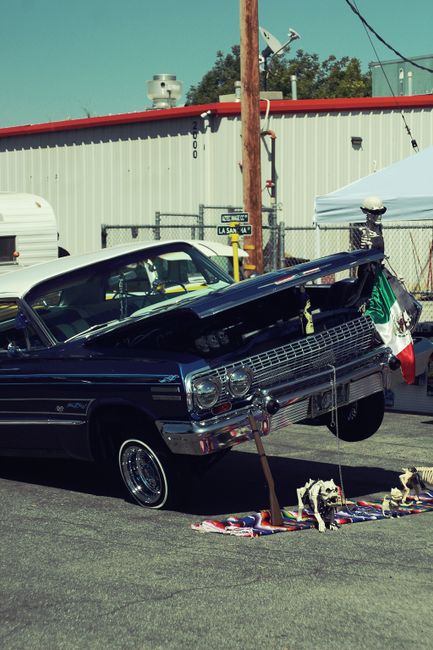
Low Rider Car Fails: When the Grind Meets the Ground and Goes Wrong
The low rider culture, an iconic and vibrant automotive subculture, is built on meticulous craftsmanship, artistic expression, and the pursuit of an impossibly low stance. However, beneath the gleaming chrome and custom hydraulics, there exists a realm of mechanical mishaps, design oversights, and sheer bad luck: the low rider car fail. These are the moments when a meticulously lowered vehicle, intended to hug the asphalt with pride, instead finds itself irrevocably tangled with it, often resulting in costly repairs, embarrassment, and a stark reminder of the thin line between automotive artistry and mechanical disaster. From snapped suspension components to unforeseen obstacles, the world of low rider fails is a rich tapestry of cautionary tales, offering valuable lessons for enthusiasts and a dose of schadenfreude for the uninitiated. Understanding these common pitfalls is crucial for anyone venturing into the world of low riding, ensuring their custom creation doesn’t become a roadside spectacle for all the wrong reasons.
One of the most prevalent and visually striking low rider car fails involves the inevitable collision between the vehicle’s undercarriage and uneven terrain, curbs, or debris. Low riders, by definition, have their chassis significantly reduced in height, often to mere inches from the ground. While this aesthetic is the very essence of the culture, it renders them exceptionally vulnerable to even minor imperfections in the road. A carelessly navigated pothole, a misplaced speed bump, or the simple act of turning too sharply near a curb can spell disaster. The resulting impact can cause catastrophic damage to exhaust systems, oil pans, brake lines, and even the frame itself. The sickening crunch of metal on concrete is a sound that strikes fear into the heart of any low rider owner. These fails are often amplified by the sheer visibility of the incident; a lowered vehicle snagging on something is a much more obvious and attention-grabbing event than a standard car experiencing the same problem. Social media platforms are replete with videos of low riders unexpectedly grinding their undersides on the road, sometimes to the point of being unable to move, requiring a tow truck and a hefty repair bill. The severity of the damage depends on the impact point and the speed, but even a seemingly minor scrape can dislodge crucial components and lead to immediate immobilization. Furthermore, the intricate custom work often found on low riders, such as elaborate undercarriage plating or painted components, can be easily scarred or destroyed in such encounters, adding to the financial and emotional toll of a low rider fail.
Hydraulic system failures represent another significant category of low rider car disasters. The complex network of pumps, cylinders, accumulators, and high-pressure hoses that enable a low rider to "hop" and "dance" is a marvel of engineering, but it’s also a potential source of considerable trouble. Over time, or due to improper installation or maintenance, hydraulic systems can develop leaks, pump failures, or valve malfunctions. A common fail involves a sudden and irreversible drop in the vehicle’s height. This can occur if a hydraulic line ruptures, causing a rapid loss of fluid and pressure, leaving the car resting entirely on its suspension stops or even its frame. This can be particularly hazardous if it happens at speed, as the sudden loss of ground clearance can cause the vehicle to bottom out violently, potentially damaging the chassis and other components. Another type of hydraulic failure is a pump that seizes or burns out, rendering the entire system inoperable. This means the car is stuck at its lowest setting, or worse, its current, compromised height, and cannot be raised. This is often a complete system failure, necessitating extensive and expensive repairs or a complete overhaul of the hydraulic setup. Accumulator failures, where the pressurized fluid storage fails, can also lead to a loss of hydraulic pressure and an inability to lift the vehicle. These hydraulic fails are not only mechanically frustrating but also aesthetically disastrous, as they defeat the very purpose of a low rider – its ability to dynamically adjust its ride height. The visual of a beautiful, customized low rider stuck stubbornly to the ground, unable to perform its signature maneuvers, is a quintessential low rider car fail.
Tire and wheel-related failures are also common culprits in the low rider world. The pursuit of extreme low stances often necessitates the use of specialized, low-profile tires and custom-sized wheels, sometimes with aggressive offsets. While these components contribute to the desired aesthetic, they can also be prone to issues. One frequent fail is tire blowouts, often caused by the sidewall of a low-profile tire rubbing against the fender well or suspension components, especially during aggressive maneuvers or when hitting a bump. This can be exacerbated by improperly inflated tires, either over or under-inflated, which puts undue stress on the tire carcass. Another issue is wheel damage. Custom wheels, especially those with intricate designs or large diameters, can be susceptible to bending or cracking when subjected to the stresses of a low rider’s operation, particularly during impacts with road hazards or when participating in hopping competitions. The extreme negative camber often employed in low riders can also put unusual stress on the tire sidewalls, making them more vulnerable to damage. Wheel bearing failures can also be a consequence of the increased load and stress placed on the suspension and wheel assembly in a lowered vehicle. A catastrophic wheel bearing failure can lead to the wheel detaching from the vehicle while in motion, a truly terrifying and dangerous low rider fail. The combination of specialized, often delicate, wheel and tire setups with the inherent risks of low riding creates a fertile ground for these types of mechanical failures.
Suspension component failures, beyond hydraulics, are another significant area where low riders can experience problems. While hydraulics are the star of the show for many, conventional suspension components are still heavily modified or stressed in low riders. This can include the failure of control arms, ball joints, tie rods, and even the chassis itself. When a vehicle is lowered dramatically, the geometry of the suspension is altered, leading to increased stress on various components. Control arms can bend or break under the strain, especially if they are not reinforced or if the vehicle experiences a significant impact. Ball joints, which allow for steering and suspension movement, can wear out prematurely or fail completely due to the altered angles and increased forces. Tie rods, crucial for steering linkage, can also be susceptible to bending or snapping. In extreme cases of grounding or high-impact events, the frame of the vehicle itself can be compromised, leading to structural instability and potentially irreparable damage. The constant scraping and grinding that low riders often endure can also accelerate the wear and tear on all suspension components, leading to premature failure. These failures can manifest as a sudden loss of steering control, a complete loss of suspension, or the vehicle becoming immobile. The sound of a snapping suspension component is often loud and alarming, signaling an immediate and critical low rider fail.
Body and paintwork damage, while perhaps less mechanically catastrophic, represents a significant and often emotionally devastating type of low rider fail. The meticulous attention to detail in custom paint jobs, airbrushing, and pinstriping is a hallmark of low rider culture. However, the very nature of a low rider makes its bodywork incredibly vulnerable. Repeated scraping and grinding against the road surface can quickly damage even the most robust paint jobs, exposing bare metal and leading to rust and corrosion. Accidental impacts with curbs, speed bumps, or other vehicles can result in dents, scratches, and even significant panel damage. Furthermore, the custom body modifications, such as flared fenders or custom body kits, can be particularly susceptible to damage due to their low profile and protrusion. The pride and joy that owners take in their vehicle’s appearance can be severely diminished by these inevitable encounters with the unforgiving asphalt. Even minor aesthetic damage can be a significant setback, as the cost of repairing and repainting custom bodywork can be astronomical. The visual of a once pristine low rider adorned with intricate artwork now bearing the scars of its low-riding lifestyle is a common and often sad low rider fail.
Electrical system failures, while perhaps less unique to low riders, can be particularly problematic given the often extensive aftermarket electrical modifications. Custom lighting, sound systems, and the complex control systems for hydraulics all rely on a robust electrical setup. Faulty wiring, short circuits, or overloaded circuits can lead to a cascade of failures. This can manifest as flickering lights, inoperable systems, or even the complete inability to start the vehicle. The intricate nature of these custom electrical installations can make troubleshooting and repairs challenging and time-consuming. A short circuit in a hydraulic control module, for instance, could render the entire system inoperable. Similarly, a blown fuse in the lighting system can leave a beautifully adorned low rider in darkness. The integration of multiple, often independently installed, electrical systems increases the potential for conflicts and failures. These electrical gremlins can transform a show-stopping vehicle into a frustratingly non-functional one, representing a significant low rider fail.
The realm of low rider car fails serves as a stark reminder of the compromises inherent in pushing automotive design to its extremes. While the pursuit of an ultra-low stance is a testament to creativity and dedication, it also introduces a multitude of potential mechanical and aesthetic pitfalls. From the fundamental physics of reduced ground clearance to the complexities of hydraulic systems and custom electrical setups, every aspect of a low rider is a potential point of failure. Understanding these common issues is not about discouraging enthusiasts, but rather about fostering a culture of informed modification, meticulous maintenance, and a healthy respect for the challenges involved. By learning from the experiences of others, prospective and current low rider owners can better prepare for the inevitable bumps, scrapes, and mechanical hiccups that come with embracing this unique and captivating automotive subculture, ultimately aiming to minimize the fails and maximize the rolling art.
