
Side Dutch Braid Ponytail
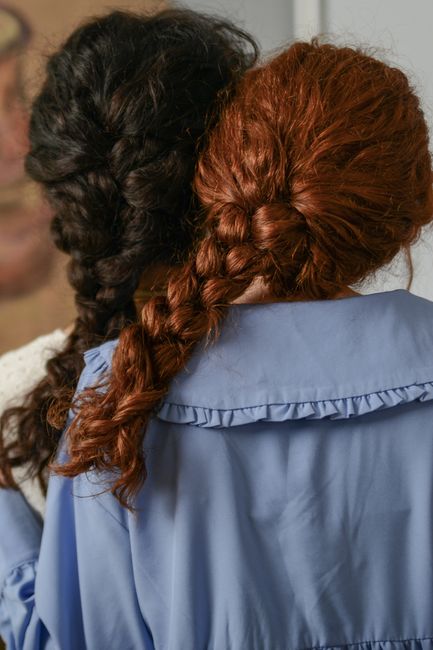
The Side Dutch Braid Ponytail: A Versatile, Trendsetting Hairstyle
The side Dutch braid ponytail is a stylish and adaptable hairstyle that has surged in popularity due to its intricate beauty and functional practicality. Unlike its French braid counterpart, where the strands are woven over each other, the Dutch braid involves crossing the strands underneath each other, creating a braid that pops outward and stands in relief against the scalp. When integrated into a ponytail positioned to the side of the head, this technique produces a visually striking and undeniably chic look. This article delves into the intricacies of creating a side Dutch braid ponytail, explores its numerous variations, offers styling tips, and discusses why it remains a dominant force in contemporary hair fashion.
Understanding the Mechanics of the Dutch Braid
At its core, the Dutch braid is a variation of the three-strand braid. The fundamental principle remains the same: dividing a section of hair into three equal strands and crossing them over or under to interlock. For a Dutch braid, the key is the "under" motion. Starting with a section of hair, you divide it into three. The right strand is crossed under the middle strand. Then, the left strand is crossed under the new middle strand. The crucial addition for a Dutch braid is incorporating new hair from the scalp into each strand as you cross it under. For a side Dutch braid, this process begins along one side of the head, typically near the temple or hairline, and progresses downwards and across the head, eventually gathering all the hair into a ponytail.
Step-by-Step Guide to Creating a Side Dutch Braid Ponytail
Achieving a flawless side Dutch braid ponytail requires a combination of practice and a methodical approach.
-
Preparation: Start with clean, dry hair. Brushing thoroughly will detangle any knots and create a smoother canvas for braiding. For added grip and to tame flyaways, a light application of styling serum or a texturizing spray can be beneficial.
-
Sectioning the Braid: Decide where you want your braid to begin. A common starting point is near the hairline on one side of your head, perhaps above the temple. Take a small section of hair from this starting point.
-
Initiating the Dutch Braid: Divide this initial section into three equal strands. Let’s call them Left, Middle, and Right. Cross the Right strand under the Middle strand. The original Left strand is now the new Middle strand.
-
Incorporating New Hair (Adding to the Right): Pick up a small, new section of hair from the scalp adjacent to the current Right strand. Combine this new hair with the existing Right strand. Now, cross this combined Right strand under the Middle strand.
-
Incorporating New Hair (Adding to the Left): Pick up a small, new section of hair from the scalp adjacent to the current Left strand. Combine this new hair with the existing Left strand. Now, cross this combined Left strand under the Middle strand.
-
Continuing the Braid: Repeat steps 4 and 5, consistently adding small amounts of hair from the scalp to the outer strands before crossing them under the middle strand. Maintain tension throughout the process to ensure a neat and defined braid. As you work your way down the side of your head, angle the braid diagonally or curve it according to your desired ponytail placement.
-
Transitioning to the Ponytail: Continue the Dutch braid until you reach the nape of your neck or the desired point where you want to begin your ponytail. Once you’ve incorporated all the loose hair into the braid, simply gather the remaining unbraided hair (which should include the end of your Dutch braid) into a low or mid-height ponytail on the side of your head. Secure the ponytail with a hair tie.
-
Finishing Touches: For a more polished look, you can gently "pancak" the braid. This involves carefully pulling on the edges of each braid segment, starting from the bottom and working your way up. This loosens the braid, making it appear fuller and more voluminous. You can also take a small strand of hair from the ponytail and wrap it around the hair tie to conceal it, securing it with a bobby pin underneath.
Variations on the Side Dutch Braid Ponytail
The beauty of the side Dutch braid ponytail lies in its adaptability. Here are some popular variations:
-
The Double Dutch Braid Ponytail: This involves creating two parallel Dutch braids that run along the sides of the head, meeting at the nape and then being incorporated into a single ponytail. This is a bolder, more structured look.
-
The Fishtail Dutch Braid Ponytail: Combine the intricate texture of a Dutch braid with the delicate strands of a fishtail braid. You can start with a Dutch braid and then transition into a fishtail braid as you move down the length of the hair before forming the ponytail.
-
The Crown Dutch Braid Ponytail: Instead of starting near the temple, initiate the Dutch braid from the front hairline, creating a "crown" effect that encircles the head before flowing into a side ponytail.
-
The Messy Side Dutch Braid Ponytail: Embrace a more relaxed aesthetic by leaving some strands loose around the face and gently pulling apart the braid for a tousled, bohemian vibe. This variation is perfect for casual outings.
-
The Sleek Side Dutch Braid Ponytail: For a sophisticated and polished appearance, ensure the braid is tightly woven and that all flyaways are smoothed down. A strong-hold hairspray can help maintain this look.
-
Braided Ponytail Accent: For a simpler approach, create a standard three-strand braid or a Dutch braid that starts directly from the ponytail base and wraps around it, or extends down the length of the ponytail itself.
Styling and Occasion Appropriateness
The side Dutch braid ponytail transcends specific occasions. Its versatility makes it suitable for a wide range of events:
-
Everyday Wear: The practical nature of a side braid keeps hair out of your face, making it an excellent choice for daily activities, work, or school. The variations can add a touch of personality to your routine.
-
Athletic Activities: The secure hold of a Dutch braid prevents hair from becoming a distraction during workouts, sports, or any physically demanding activity.
-
Formal Events: A sleek, well-executed side Dutch braid ponytail can be incredibly elegant and sophisticated, complementing formal attire for weddings, galas, or important business meetings.
-
Bohemian and Festival Looks: The more relaxed and "pancaked" variations, particularly those with loose strands, lend themselves perfectly to a bohemian aesthetic, ideal for music festivals or casual gatherings.
Tips for Achieving a Perfect Side Dutch Braid Ponytail
Mastering the side Dutch braid ponytail involves a few key techniques:
-
Maintain Consistent Tension: Uneven tension is the primary cause of a lopsided or messy braid. Try to keep the pressure on each strand consistent as you braid.
-
Small, Even Sections: Taking smaller, more uniform sections of hair as you incorporate them will result in a neater, more defined braid. Avoid large, chunky sections.
-
Mirror, Mirror: Using a mirror, or even better, two mirrors (one in front and one behind), can help you see what you’re doing, especially as you’re learning.
-
Practice Makes Perfect: Like any new hairstyle, the Dutch braid takes practice. Don’t get discouraged if your first few attempts aren’t perfect. Keep trying, and your dexterity will improve.
-
Product Application: Using styling products strategically can make a significant difference. A texturizing spray can add grip to slippery hair, while a light-hold hairspray can tame flyaways without making the hair stiff.
-
Hair Type Considerations: Fine hair might benefit from volumizing products before braiding to create more substance. Thicker hair might require more time and patience to section and braid.
-
Experiment with Braiding Direction: While a diagonal path is common, you can also braid horizontally or curve your braid into different shapes before creating the ponytail.
The SEO Impact of the Side Dutch Braid Ponytail
The search term "side Dutch braid ponytail" is popular because it encompasses a specific, desirable hairstyle. Optimizing content around this keyword involves using it naturally within the text, along with related terms such as "Dutch braid," "braided ponytail," "side braid," "hair tutorial," "hairstyle ideas," and "how to braid." Including variations and descriptive terms like "elegant," "chic," "easy," and "casual" can capture a broader audience searching for specific styles. High-quality images and videos demonstrating the process further enhance SEO by increasing user engagement and providing visual aids that search engines can index. Discussing the benefits, such as practicality and style, also addresses user intent.
Conclusion: The Enduring Appeal of the Side Dutch Braid Ponytail
The side Dutch braid ponytail is more than just a trend; it’s a testament to the power of combining technique with personal style. Its intricate design offers a sophisticated edge, while its practical application makes it a go-to for various lifestyles. Whether you’re seeking a polished look for a special occasion or a functional yet fashionable style for everyday, the side Dutch braid ponytail delivers. With a little practice, anyone can master this versatile hairstyle and enjoy its beauty and convenience. Its enduring popularity in fashion magazines, social media, and red carpet events solidifies its status as a classic hairstyle with contemporary appeal.
