
Sweet And Simple Painted Shoes
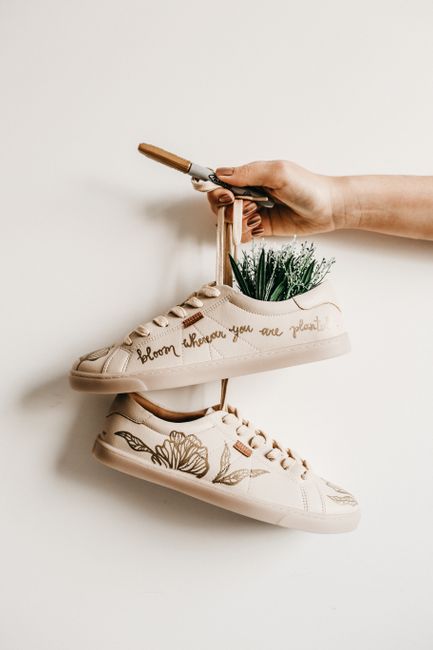
Sweet and Simple Painted Shoes: A Beginner’s Guide to Effortless Customization
Transforming ordinary footwear into unique expressions of personal style is more accessible than ever, thanks to the burgeoning trend of sweet and simple painted shoes. This accessible art form allows anyone, regardless of artistic background, to imbue their favorite sneakers, canvas shoes, or even leather boots with a touch of individuality and charm. The beauty of "sweet and simple" lies in its focus on achievable designs, emphasizing clean lines, accessible color palettes, and motifs that evoke a sense of whimsy, nature, or understated elegance. This guide will delve into the core principles, essential materials, fundamental techniques, and a wealth of design ideas that will empower you to embark on your own journey of painted shoe creation, making your footwear as distinctive as you are.
The appeal of painted shoes extends beyond mere aesthetics; it’s about the satisfaction of creating something with your own hands, a tangible representation of your creativity. For beginners, the "simple" aspect is crucial. It removes the intimidation factor often associated with artistic endeavors. Instead of aiming for photorealistic portraits or complex masterpieces, the focus shifts to the joy of applying color and pattern in a deliberate, yet uncomplicated manner. Think delicate floral sprigs, abstract geometric shapes, playful polka dots, subtle ombré effects, or charming minimalist illustrations. These designs are not only achievable but also highly adaptable to various shoe styles and personal tastes. The "sweet" element refers to the overall feeling evoked by these designs – often lighthearted, optimistic, and aesthetically pleasing. This can be achieved through soft color choices, gentle motifs, and a sense of joyful playfulness in the execution.
Before embarking on your artistic adventure, acquiring the right materials is paramount. For most fabric-based shoes like canvas sneakers, acrylic paints are the go-to choice. Look for high-quality acrylic paints specifically designed for fabric or craft use. These paints are water-soluble when wet, allowing for easy cleanup and dilution to achieve different opacities and textures. Once dry, they form a flexible, durable layer that can withstand wear and tear. Brands like DecoArt, FolkArt, and Jacquard offer excellent ranges of fabric paints in a vast spectrum of colors, including metallic and glitter finishes for added flair. For painting on leather or synthetic materials, specialized leather paints are recommended. These paints are formulated to adhere to non-porous surfaces and often require a primer and a sealant for optimal durability.
Beyond paints, a selection of brushes is essential. For intricate details and fine lines, small round brushes with pointed tips are ideal. Medium flat brushes are useful for covering larger areas, while angled brushes can help create sharp edges and controlled strokes. Don’t underestimate the power of a good detail brush for those tiny accents that elevate a simple design. Beyond brushes, you’ll also need a palette for mixing colors (a plastic plate or a dedicated palette works well), a cup of water for rinsing brushes, paper towels for blotting, and masking tape. Masking tape is a beginner’s best friend, allowing for clean, crisp lines and preventing accidental paint bleed onto areas you wish to keep unpainted. Painter’s tape, in particular, is excellent as it adheres well but removes cleanly without damaging the shoe material.
Preparation is a non-negotiable step for achieving professional-looking results. Begin by cleaning your shoes thoroughly. For canvas shoes, remove any loose dirt and debris, and then wash them according to the manufacturer’s instructions. Ensure they are completely dry before you start painting. If the shoes have laces, it’s highly recommended to remove them. This will allow for uninterrupted painting of the shoe’s surface and prevent paint from getting onto the laces. For leather shoes, a gentle wipe-down with a damp cloth and a mild soap solution is usually sufficient, followed by thorough drying. If you’re painting on a new pair of canvas shoes that have a stiff sizing, a light sanding with fine-grit sandpaper can create a slightly more receptive surface for the paint, though this is often not necessary with good quality fabric paints.
Once your shoes are clean and dry, the real fun begins: design. The beauty of sweet and simple painted shoes lies in their approachable aesthetic. Don’t feel pressured to create complex artwork. Start with basic motifs. Polka dots are a timeless classic. You can achieve perfectly uniform dots by using the end of a paintbrush handle, a Q-tip, or specialized dotting tools. Vary the size and spacing of your dots for a more dynamic look. Geometric shapes like stripes, triangles, and squares are also incredibly effective and easy to execute, especially with the aid of masking tape.
Nature-inspired designs are another excellent avenue for sweet and simple painting. Think delicate wildflowers, tiny leaves, or minimalistic sprigs of greenery. These can be painted with thin brushes, focusing on organic shapes and subtle color variations. A few strategically placed floral elements can transform a plain shoe into a charming statement piece. Ombré effects, where colors blend seamlessly from one shade to another, are also relatively simple to achieve with acrylic paints. By gradually adding water to your paint or mixing lighter shades into a base color on your palette, you can create a smooth gradient. Apply this to sections of your shoe for a modern and sophisticated touch.
For those who prefer a more illustrative approach, simple line art is a fantastic option. Think minimalist outlines of animals, celestial bodies like stars and moons, or even abstract squiggles. These designs are often done in black or white paint on a colored background, or vice versa, creating a striking contrast. The key here is to keep the lines clean and intentional. Don’t be afraid to embrace asymmetry or slight imperfections; they often add to the handmade charm.
When it comes to color palettes, simplicity is key. Often, a limited color scheme can be more impactful than a riot of hues. Consider working with a monochromatic palette, using different shades and tints of a single color for a sophisticated and cohesive look. Alternatively, a complementary color scheme, using colors opposite each other on the color wheel (like blue and orange, or yellow and purple), can create a vibrant yet balanced effect. Pastel shades evoke a sense of sweetness and delicacy, while bold, primary colors can lend a playful and energetic feel.
The application of paint requires patience and a steady hand. For solid color bases, apply thin, even coats. It’s often better to apply two or three thin coats than one thick, streaky coat. Allow each layer to dry completely before applying the next. This is crucial for achieving a smooth, durable finish and preventing the paint from peeling or cracking. When painting details, work from larger areas to smaller ones. For instance, if you’re painting a flower, lay down the base petal shapes first, let them dry, and then add smaller details like the center or veins.
Masking tape is invaluable for creating sharp, clean lines. Apply it firmly to the shoe’s surface, ensuring there are no gaps where paint can seep through. Burnishing the edges of the tape with a fingernail or a bone folder can further improve its adhesion and prevent bleeding. When removing masking tape, do so slowly and at an angle, pulling it away from the painted area. Ideally, remove the tape while the paint is still slightly tacky, as this can prevent the paint from lifting with the tape.
Sealing your painted shoes is an essential step for longevity, especially if you intend to wear them regularly. Once your paint is completely dry (allow at least 24-48 hours), apply a fabric sealant or a leather sealant, depending on your shoe material. These sealants create a protective barrier that guards against scuffs, scratches, and water damage. Most fabric sealants come in spray or brush-on formulas. Apply them in thin, even coats, following the product’s instructions. Allow ample drying time between coats. For leather shoes, a clear acrylic sealant designed for leather will provide protection without altering the appearance of the paint.
Maintaining your painted shoes is straightforward. For canvas shoes, spot clean any dirt or stains with a damp cloth and mild soap. Avoid machine washing or excessive soaking, as this can compromise the paint and the shoe’s structure. For leather shoes, use specialized leather cleaners and conditioners to keep the material supple and protected. Gentle wear is also key; avoid exposing your painted shoes to harsh conditions or excessive friction.
Beyond the foundational techniques, consider exploring some specific design ideas. "Tiny Terrariums" – imagine miniature succulent or fern motifs painted on the sides of your shoes, creating a whimsical garden on your feet. "Constellations" – simple dot patterns arranged to mimic star formations on a dark background can be incredibly chic. "Abstract Swirls" – freehand swirling patterns in complementary colors can add a dynamic and artistic flair. "Minimalist Animals" – the outline of a cat, dog, or bird can be incredibly charming and instantly recognizable. "Color Blocking" – using distinct blocks of solid color, often separated by clean lines, offers a modern and bold aesthetic.
Personalization is where sweet and simple painted shoes truly shine. They are a canvas for your personality, your interests, and your memories. Consider painting motifs that represent your hobbies, your favorite quotes (in a simple font), or even inside jokes. The process of painting your own shoes is a meditative and rewarding experience. It allows for a moment of quiet creativity in a busy world, and the result is a wearable piece of art that is uniquely yours. The accessibility of this craft means that it’s not just for seasoned artists; it’s for anyone who wants to add a personal touch to their everyday style. The focus on "sweet and simple" democratizes artistic expression, making it an enjoyable and achievable pursuit for all. The resulting footwear is not just shoes; it’s a story, a sentiment, and a statement of individual style, painted with care and a touch of effortless charm.
