
Tag At Home Hair Removal
Tag at Home Hair Removal: A Comprehensive Guide to Effortless Grooming
At-home hair removal encompasses a diverse range of methods and technologies designed to remove unwanted hair from various body parts without professional salon intervention. The accessibility and convenience of these methods have led to a surge in their popularity, offering individuals greater control over their grooming routines and a significant reduction in ongoing costs associated with salon treatments. From traditional shaving and waxing to advanced laser and IPL devices, the market offers a spectrum of solutions catering to different hair types, skin sensitivities, and desired outcomes. Understanding the nuances of each method, their effectiveness, potential side effects, and suitability for specific needs is paramount for achieving optimal results and maintaining healthy, smooth skin. This comprehensive guide will delve into the intricacies of at-home hair removal, providing in-depth information to empower informed decision-making for effective and safe grooming.
Shaving remains the most ubiquitous and accessible at-home hair removal method. Its simplicity lies in its mechanical action: a sharp blade severs hair strands at the skin’s surface. While offering immediate smoothness, the results are temporary, typically lasting a few days as hair regrows. The primary advantage of shaving is its low cost and ease of use. Razors, whether disposable or reusable with interchangeable cartridges, are readily available and relatively inexpensive. The process is quick, pain-free when performed correctly, and can be done in the shower or bath for added convenience. However, shaving carries a risk of nicks, cuts, and razor burn, especially for individuals with sensitive skin or those who rush the process. Exfoliation prior to shaving can help lift hairs and reduce the likelihood of ingrown hairs. Using a good quality shaving cream or gel is crucial to lubricate the skin and provide a smooth glide for the razor, minimizing friction and irritation. Shaving against the direction of hair growth generally yields a closer shave, but this also increases the risk of irritation and ingrown hairs. For areas prone to sensitivity, such as the bikini line or underarms, shaving in the direction of hair growth or using a specialized sensitive skin razor can mitigate these issues. Proper post-shave care, including moisturizing with a gentle, fragrance-free lotion, is essential to soothe the skin and prevent dryness or further irritation. Regular blade replacement is also vital; dull blades increase friction and the risk of cuts.
Depilatory creams offer a chemical approach to hair removal, dissolving hair at or slightly below the skin’s surface. These creams contain active ingredients, typically thioglycolates, that break down the keratin structure of hair. The application is straightforward: the cream is applied to the desired area, left on for a specified time (usually 5-15 minutes, depending on the product and hair thickness), and then wiped or rinsed away. The results are generally smoother and longer-lasting than shaving, with hair regrowth often appearing softer and finer. Depilatory creams are a painless option, making them an attractive alternative for those who dislike the sensation of waxing or epilating. However, these products are not without their drawbacks. The chemicals involved can cause skin irritation, redness, and allergic reactions in some individuals, particularly those with sensitive skin or pre-existing skin conditions. It is imperative to perform a patch test on a small, inconspicuous area of skin at least 24 hours before full application to assess for any adverse reactions. The strong chemical odor of some depilatory creams can also be off-putting. Proper ventilation during use is recommended. Following the instructions meticulously regarding application time is crucial; leaving the cream on for too long can lead to chemical burns. Post-application, rinsing thoroughly with cool water and applying a mild, hypoallergenic moisturizer is recommended.
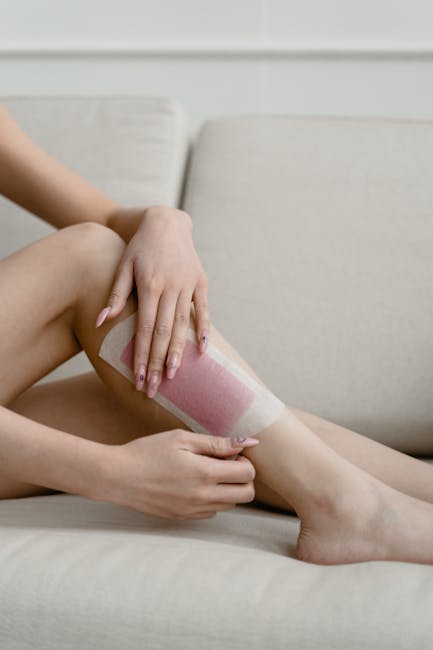
Waxing, both hot and cold, is a popular method for longer-lasting hair removal, extracting hair from the root. This results in smoother skin for a longer period, typically 2-4 weeks, with regrowth often appearing finer. Hot wax, typically made from resin, beeswax, and oils, is warmed to a pliable consistency. It adheres to the hair and skin, and once cooled and hardened, is quickly pulled off in the opposite direction of hair growth, taking the hair with it. Cold wax, usually in the form of pre-waxed strips, is applied to the skin and then ripped away. The effectiveness of waxing depends on hair length; hairs should ideally be at least ¼ inch long for the wax to grip effectively. While generally more effective than shaving or depilatory creams for prolonged smoothness, waxing can be painful, especially in sensitive areas. Potential side effects include redness, bumps, bruising, and ingrown hairs. Proper preparation of the skin, including exfoliation a day or two before waxing, is crucial to minimize ingrown hairs and ensure effective hair removal. The skin should be clean and dry. Following the waxing with a soothing lotion containing ingredients like aloe vera or chamomile can help calm the skin. For those prone to ingrown hairs, applying an exfoliating lotion or serum regularly post-waxing can be beneficial.
Epilators are electrical devices that remove hair from the root using rotating tweezers. As the epilator head glides over the skin, multiple small tweezers grasp and pull out hairs simultaneously. This method offers results similar to waxing in terms of longevity, typically lasting 2-4 weeks, and can lead to finer regrowth over time. Epilators are convenient for home use, eliminating the need for salon appointments and the mess associated with waxing. They are effective for both short and long hairs. However, epilation can be a painful experience, particularly during the initial sessions, as the skin adjusts to the sensation. Many modern epilators incorporate features like cooling caps or massage rollers to help alleviate discomfort. Similar to waxing, preparation with exfoliation is recommended to prevent ingrown hairs. It’s also advised to use the epilator on dry skin for best results. After epilation, applying a gentle moisturizer is important to soothe the skin. Regular use can lead to a reduction in hair density and coarseness over time.
At-home hair removal devices utilizing Intense Pulsed Light (IPL) and laser technology represent a more advanced and longer-term solution. These devices work by emitting light energy that is absorbed by the pigment (melanin) in the hair follicle. This light energy converts to heat, damaging the follicle and inhibiting future hair growth. IPL devices emit a broad spectrum of light, while laser devices emit a single wavelength of concentrated light. Both aim to achieve permanent hair reduction, meaning significantly less hair grows back over time, and the hair that does grow is often finer and lighter. These methods are generally more expensive upfront but can be cost-effective in the long run compared to continuous salon treatments or regular waxing. The effectiveness of IPL and laser hair removal is highly dependent on hair color and skin tone. They are most effective on dark hair and lighter skin, as the melanin in the hair absorbs the light more readily. Individuals with very fair hair or very dark skin may see less dramatic results or require more sessions. Pain is typically described as a mild stinging or snapping sensation, and many devices have built-in cooling mechanisms to enhance comfort. It is crucial to follow the manufacturer’s instructions precisely, including pre-treatment skin preparation (avoiding sun exposure, shaving the area beforehand), using the correct intensity settings for your skin type, and adhering to the recommended treatment schedule. Multiple sessions are invariably required to target hairs in different growth phases. Potential side effects include temporary redness, minor swelling, and in rare cases, hyperpigmentation or burns if the device is misused or used on inappropriate skin tones. It is essential to consult with a dermatologist or a qualified professional if you have any underlying skin conditions or concerns before embarking on at-home IPL or laser treatments.
Threading is a traditional method of hair removal that uses a twisted cotton thread to pluck hairs from the follicle. It is particularly effective for shaping eyebrows and removing fine facial hair. The process involves rolling a thin, doubled cotton thread over the skin, creating a loop that catches and removes hairs with a quick flick of the hand. Threading is a precise method, allowing for intricate shaping and removal of individual hairs. It is a natural and chemical-free option, making it suitable for sensitive skin and areas where other methods might cause irritation. The results are comparable to waxing or epilating in terms of duration, with hair regrowth typically appearing finer. However, threading can be painful, and improper technique can lead to redness or minor skin irritation. It requires a learned skill and practice to perform effectively at home, and many individuals prefer to have this done professionally due to the technique involved.
Sugaring is another ancient hair removal technique that uses a paste made from sugar, lemon juice, and water. Similar to waxing, sugaring paste is applied against the direction of hair growth and then flicked off in the direction of hair growth, pulling the hair from the root. The paste is typically applied at body temperature, making it a gentler option than hot wax. Sugaring paste adheres more to the hair than the skin, reducing the likelihood of irritation, bruising, and ingrown hairs. It is also water-soluble, making cleanup easy. The results are long-lasting, similar to waxing and epilating. Sugaring can be a DIY option, but like threading, it requires practice to master the technique. The paste needs to be prepared correctly, and the application and removal method needs to be learned to achieve effective hair removal without significant discomfort.
Beyond the core methods, several complementary practices and products enhance the at-home hair removal experience and outcomes. Exfoliation, as mentioned, is a cornerstone of effective hair removal, preventing ingrown hairs and promoting smoother skin. Chemical exfoliants, such as those containing alpha-hydroxy acids (AHAs) or beta-hydroxy acids (BHAs), can be used a day or two prior to hair removal and regularly afterwards. Physical exfoliants, like sugar scrubs or loofahs, are also beneficial. Post-hair removal care is equally vital. Soothing balms, lotions, and serums containing ingredients like aloe vera, chamomile, hyaluronic acid, and niacinamide can calm inflammation, hydrate the skin, and prevent post-treatment breakouts or irritation. For those undergoing IPL or laser treatments, adherence to sun protection protocols is paramount, as treated skin is more susceptible to hyperpigmentation from UV exposure. Understanding your skin type and hair characteristics is the most critical factor in selecting the most appropriate at-home hair removal method. Individuals with fine, sparse hair might find shaving or depilatory creams sufficient. Those with coarser, denser hair might benefit from waxing, epilating, or IPL/laser. Sensitive skin necessitates gentle methods and careful product selection, prioritizing hypoallergenic and fragrance-free formulations. Patience and consistency are key to achieving and maintaining desired results with any at-home hair removal method.
