
Tag Cake Pop Decorating
Elevate Your Edible Art: A Comprehensive Guide to Tag Cake Pop Decorating
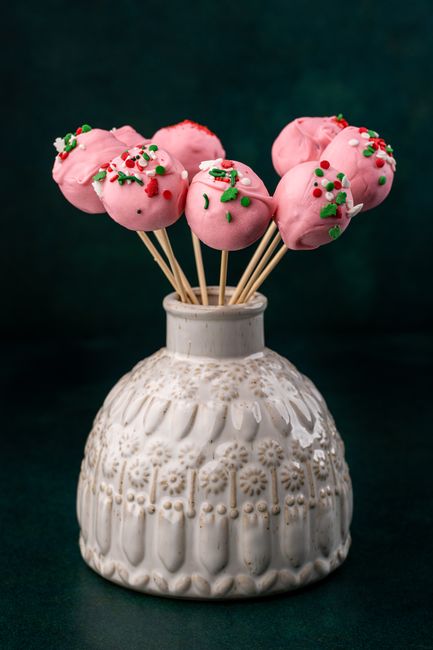
Tag cake pop decorating transforms the humble cake pop into a miniature canvas for personalized branding, celebratory messages, or artistic expression. This technique involves affixing edible or non-edible tags directly onto the cake pop, adding a unique dimension of detail and storytelling. Whether you’re a seasoned baker seeking to expand your repertoire or a DIY enthusiast looking for a creative project, mastering tag cake pop decorating opens up a world of possibilities for events, gifts, and culinary artistry. This comprehensive guide will delve into the materials, techniques, design considerations, and SEO-optimized strategies to make your tag cake pops stand out.
Understanding the Anatomy of a Tag Cake Pop
Before embarking on the decorating process, it’s crucial to understand the fundamental components of a tag cake pop. At its core, a cake pop is a spherical or shaped ball of cake crumbs mixed with frosting or binding agent, then attached to a lollipop stick. The "tag" element can be either edible, crafted from fondant, wafer paper, or edible ink printed on sugar sheets, or non-edible, typically made from cardstock, chipboard, or even small acrylic pieces. The method of attachment is paramount, ensuring both aesthetic appeal and structural integrity. Edible tags are often adhered with edible glue or melted chocolate, while non-edible tags require a secure attachment to the stick itself, usually before dipping the cake pop.
Essential Materials for Tag Cake Pop Decorating
The success of your tag cake pop creations hinges on the quality and suitability of your materials. For the cake pops themselves, you’ll need cake mix, frosting, and lollipop sticks. For the dipping process, high-quality candy melts or chocolate are essential for a smooth, professional finish. Beyond the cake pop base, the tag decoration requires a specific set of tools and ingredients.
- Edible Tag Materials:
- Fondant: Versatile and moldable, fondant can be rolled thin and cut into various tag shapes. Edible food markers or paints can be used for intricate designs.
- Wafer Paper: Lightweight and dissolvable, wafer paper is ideal for delicate tags. It can be printed on with edible ink or hand-painted.
- Sugar Sheets (Edible Print Sheets): Pre-printed with edible ink, these sheets offer professional-level designs and logos with ease.
- Edible Glue or Royal Icing: Used to adhere edible tags to the cake pop or to attach smaller edible elements to the tag itself.
- Non-Edible Tag Materials:
- Cardstock: A readily available and cost-effective option for simple tags. Requires sturdy adhesive and careful placement.
- Chipboard: Thicker than cardstock, offering more rigidity. Ideal for tags that need to hold their shape.
- Craft Punches and Dies: For creating precise tag shapes from cardstock or chipboard.
- Hole Punch: For creating holes for twine or ribbon.
- Adhesives: Strong craft glue, hot glue (used with caution and sparingly), or double-sided adhesive foam dots for attaching to the stick.
- Tools:
- Rolling Pin: For thinning fondant or dough for edible tags.
- Craft Knife or Precision Knife: For intricate cutting of fondant or cardstock.
- Small Paintbrushes: For applying edible glue, food coloring, or water.
- Toothpicks: For applying small amounts of adhesive or for detail work.
- Scissors: For cutting wafer paper, sugar sheets, and cardstock.
- Cutting Mat: To protect your work surface.
Techniques for Creating Edible Tags
Edible tags offer a seamless integration with the cake pop, creating a wholly consumable treat. The key here is to ensure the tag is thin enough to be palatable and adheres securely without compromising the cake pop’s structure.
-
Fondant Tags:
- Knead a small amount of fondant until pliable.
- Dust your work surface lightly with cornstarch or powdered sugar.
- Roll the fondant thinly, aiming for a thickness of approximately 1/16 to 1/8 inch. The thinner, the better for palatability.
- Use small tag-shaped cookie cutters or a craft knife to cut out your desired shapes.
- If adding details, use edible food markers or small brushes dipped in diluted food coloring. You can also stamp impressions into the fondant before it dries.
- Allow the fondant tags to dry slightly until they are firm to the touch but not brittle. This prevents them from deforming when applied.
- To adhere, lightly brush the back of the fondant tag with edible glue or a small amount of royal icing. Gently press onto the dipped cake pop.
-
Wafer Paper Tags:
- Wafer paper is delicate and best suited for printed designs or simple hand-painted elements.
- If printing, use an edible ink printer and edible wafer paper. Cut out the printed tags carefully.
- For hand-painted tags, use food-grade watercolors or diluted food coloring applied with a fine brush.
- Wafer paper can be applied directly to a slightly tacky dipped cake pop, or you can use a tiny dab of edible glue.
- Be aware that wafer paper can absorb moisture and become pliable, so consider applying it just before serving for optimal crispness.
-
Sugar Sheet Tags:
- These are the simplest for pre-designed elements like logos or text.
- Cut the sugar sheet to your desired tag shape.
- The backing of many sugar sheets is slightly adhesive when exposed to moisture. You can also use a very thin layer of edible glue.
- Carefully peel the backing and apply to the dipped cake pop.
Techniques for Creating Non-Edible Tags
Non-edible tags offer greater durability and design complexity, allowing for intricate embellishments and a more pronounced visual impact. The challenge lies in attaching them securely without detracting from the overall aesthetic.
-
Cardstock and Chipboard Tags:
- Design your tag shapes and any accompanying text or graphics.
- Cut them out using craft punches, dies, or a craft knife.
- For a more professional look, consider layering different colors of cardstock or using metallic accents.
- Attachment Strategy 1: Pre-Dipping: The most secure method. Punch a small hole in your tag. Thread a food-safe ribbon or thin wire through the hole, leaving a loop. Secure this loop to the lollipop stick with a strong adhesive (like E6000 or a strong craft glue) before you dip the cake pop. Ensure the tag hangs cleanly.
- Attachment Strategy 2: Post-Dipping (with caution): For lighter cardstock tags, you can use double-sided adhesive foam dots applied to the back of the tag and then carefully press it onto the dried chocolate of the cake pop. This is less secure and requires the chocolate to be completely set. Avoid placing the adhesive directly on the cake ball itself, as it may not adhere well to the crumb mixture.
- Attachment Strategy 3: Stick Integration: Create a tag with an extended tab that can be glued directly onto the lollipop stick itself, above or below the cake ball. Ensure ample surface area for gluing.
-
Embellishing Non-Edible Tags:
- Stamping: Use rubber stamps and ink pads to add patterns or sentiments.
- Glitter and Sequins: Adhere with craft glue. Use sparingly to maintain a relatively clean aesthetic.
- Ribbons and Twine: Tie bows or wrap around the stick below the tag.
- Jewels and Charms: Use strong craft glue for permanent attachment.
Design Considerations for Impactful Tag Cake Pops
The visual appeal of your tag cake pops is paramount. Thoughtful design ensures they not only taste good but also serve their intended purpose effectively.
- Theme Alignment: Ensure your tag designs complement the overall theme of your event or occasion. For weddings, think elegant script and monograms. For birthdays, bright colors and playful fonts. For corporate events, incorporate your logo and brand colors.
- Color Palette: Choose colors that are cohesive and visually appealing. Consider the colors of the cake pop itself and the surrounding decorations.
- Font Choice: Select fonts that are legible and appropriate for the tone of your message. Script fonts can add elegance, while sans-serif fonts offer a modern feel.
- Size and Placement: The tag should be proportionate to the cake pop. Too large, and it becomes overwhelming; too small, and it’s easily missed. Strategic placement, whether centered, off to the side, or dangling, can significantly alter the visual impact.
- Simplicity vs. Complexity: Sometimes, a simple, well-executed tag is more effective than an overly cluttered one. Consider the message you want to convey and design accordingly.
- Readability: If your tag features text, ensure it is large and clear enough to be read easily, especially from a slight distance.
- Durability: If the cake pops will be handled extensively or transported, opt for more durable materials and attachment methods.
SEO Optimization for Tag Cake Pop Creations
To ensure your tag cake pop creations are discoverable online, incorporating Search Engine Optimization (SEO) best practices is crucial, particularly if you’re selling them or sharing your tutorials.
- Keyword Research: Identify relevant keywords that potential customers or DIYers might use. Think beyond just "cake pops." Examples include:
- "custom cake pops"
- "personalized cake pops"
- "branded cake pops"
- "event cake pops"
- "themed cake pops"
- "wedding cake pops"
- "birthday cake pops"
- "cake pop decorating tutorial"
- "edible tag cake pops"
- "non-edible tag cake pops"
- "fondant tag cake pops"
- "DIY cake pop tags"
- "logo cake pops"
- Title Tags and Meta Descriptions: Craft compelling titles and descriptions for your blog posts, product pages, or social media content that include your primary keywords.
- Example Title: "Custom Logo Cake Pops: Edible & Non-Edible Tag Decorating Guide"
- Example Meta Description: "Learn how to create stunning custom cake pops with edible and non-edible tags. Perfect for branding, events, and unique edible art. Step-by-step tutorial."
- Image Alt Text: Optimize your images by using descriptive alt text that includes relevant keywords. For example, instead of "IMG_1234.jpg," use "Custom wedding cake pop with elegant fondant tag."
- Content Richness and Depth: As demonstrated in this article, providing comprehensive information that thoroughly addresses a user’s query is a cornerstone of good SEO. Covering materials, techniques, design, and application in detail signals expertise to search engines.
- Internal and External Linking: Link to other relevant content on your website (internal linking) and to reputable external sources (external linking) to provide further value to your readers and improve your site’s authority.
- User Experience (UX): Ensure your website or blog is mobile-friendly, loads quickly, and is easy to navigate. A positive user experience encourages visitors to stay longer and engage with your content, which search engines favor.
- Structured Data (Schema Markup): For product pages, consider implementing schema markup to help search engines understand the nature of your offerings (e.g., recipe schema for tutorials, product schema for sales).
- Social Media Integration: Share your tag cake pop creations across social media platforms, using relevant hashtags (e.g., #cake pops, #edibleart, #customsweets, #eventplanning, #partyideas, #DIYsweets). This drives traffic and increases visibility.
- Long-Tail Keywords: Target more specific, longer phrases that users might search for. Examples include "how to make fondant tags for cake pops for a baby shower" or "where to buy edible logo sheets for cake pops."
- Content Updates: Regularly update your content to keep it fresh and relevant. Add new techniques, design ideas, or ingredient information.
Troubleshooting Common Tag Cake Pop Issues
Even with the best intentions, you might encounter challenges. Here are some common issues and their solutions:
- Tags Falling Off:
- Edible Tags: Ensure the cake pop surface is completely dry and set before applying. Use a sufficient but not excessive amount of edible glue or royal icing. Allow the tag to dry slightly before application if using fondant.
- Non-Edible Tags: If attached post-dipping, the chocolate may not be a strong enough adhesive. Consider pre-dipping attachment or using a stronger glue. Ensure the tag isn’t too heavy for the adhesive.
- Tags Wrinkling or Melting:
- Edible Tags: This can occur due to humidity or contact with moisture. Ensure your edible tags are fully dried before application and are applied to a fully set chocolate coating. Store finished cake pops in a cool, dry environment.
- Tags Appearing Crooked or Uneven:
- Practice makes perfect. For non-edible tags, ensure they are aligned before adhering. For edible tags, apply them gently and adjust quickly before the adhesive sets.
- Edible Ink Smudging:
- Ensure the edible ink is completely dry on wafer paper or sugar sheets before handling. Handle with care.
- Candy Melts Cracking:
- Ensure your candy melts are properly tempered (if using chocolate) or melted smoothly without overheating. Avoid rapid temperature changes.
Beyond the Basics: Advanced Tag Cake Pop Ideas
Once you’ve mastered the fundamentals, explore more advanced techniques to elevate your tag cake pop artistry:
- 3D Tags: Create dimensional tags from fondant or layered cardstock for a more impactful visual.
- Interactive Tags: Incorporate small edible elements or textures that guests can interact with, such as edible glitter or sugar pearls.
- Themed Tag Sets: Design a collection of tags that tell a story or represent different aspects of an event.
- Silhouette Tags: Cut intricate silhouettes from cardstock or edible paper for a modern and artistic touch.
- Personalized Messages: Go beyond names and dates. Include short, meaningful quotes or inside jokes for a truly bespoke creation.
Conclusion
Tag cake pop decorating is a nuanced art form that combines culinary skill with creative design. By understanding the materials, mastering the techniques for both edible and non-edible tags, and applying strategic SEO principles to your online presence, you can create truly memorable and discoverable edible masterpieces. Whether you’re aiming to build a brand, celebrate a special occasion, or simply express your artistic flair, the world of tag cake pops offers a delightful and delicious canvas. Continuous practice, experimentation with different materials, and a keen eye for design will undoubtedly lead to increasingly sophisticated and eye-catching creations that are sure to impress.
